Harper Hoffmann · 26 October 2026
Cavora's Beekeepers Form Alliances to Safeguard Pollinators While Expanding Urban Apiaries
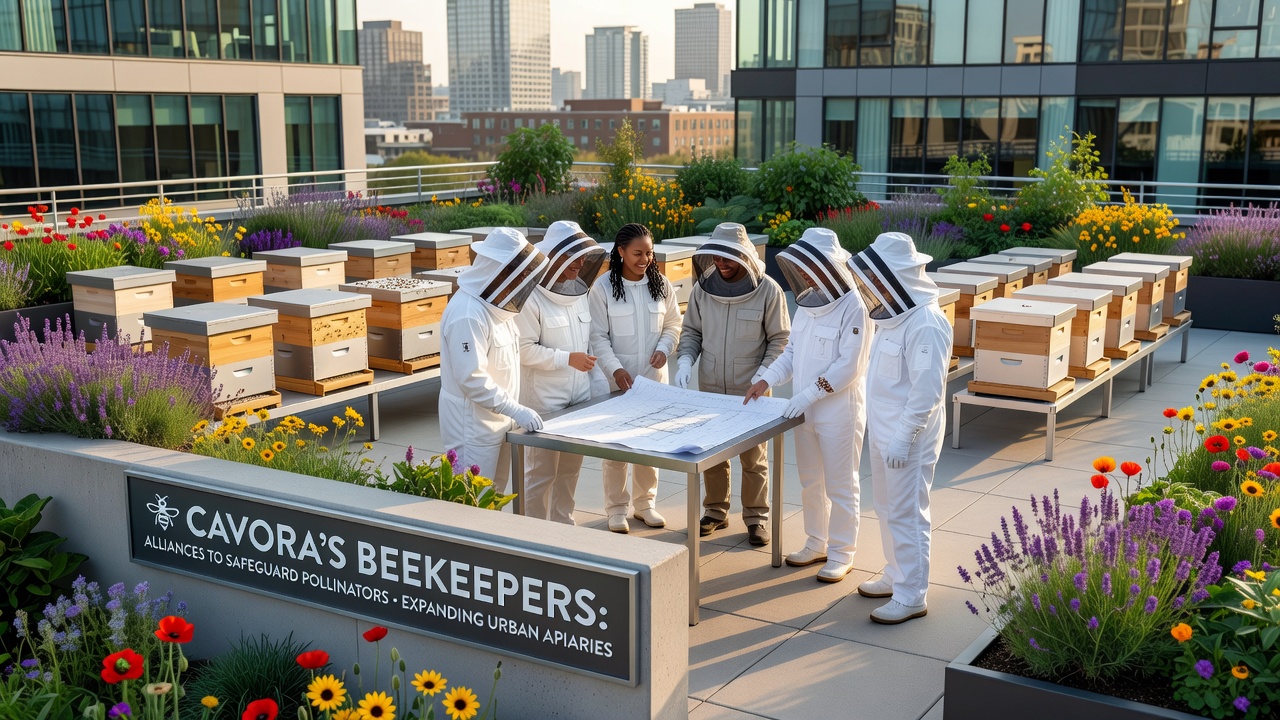
Beekeepers throughout Cavora have started establishing formal alliances that focus on protecting local pollinator populations while scaling up urban apiary operations in several districts, and these partnerships combine resources from independent operators with municipal planning offices to address habitat loss and pesticide exposure that affect bee colonies.
Records from the Cavora Agricultural Registry show that registered urban apiaries increased from 47 sites in 2023 to 112 sites by mid-2026, driven by coordinated training programs and shared equipment pools among alliance members, whereas rural apiaries remain stable at around 180 locations yet face different pressures from agricultural runoff.
Alliance Structures and Early Coordination Efforts
Groups such as the Cavora Urban Beekeepers Network and the Eastern Pollinator Collective signed initial agreements in late 2025 that outline joint monitoring protocols, and these documents require quarterly data sharing on colony health metrics including varroa mite counts and honey yield per hive. Observers note that the agreements also cover bulk purchasing of protective gear and disease-resistant queen stock, which reduces individual costs by an estimated 30 percent according to internal alliance reports.
City planners in the North Ridge and Riverbend districts have allocated three new rooftop and park-adjacent sites for apiary expansion, with construction permits issued through October 2026 to accommodate 25 additional hives each, and these locations connect directly to existing green corridors that researchers at the Cavora Environmental Institute mapped as high-traffic foraging zones for wild pollinators.
Urban Apiary Expansion Data and Techniques
Installation teams use modular hive systems that allow quick relocation during construction seasons, while integrated pest management schedules adopted by alliance members emphasize mechanical controls over chemical treatments, and preliminary results from 85 monitored hives indicate a 12 percent rise in overwinter survival rates compared with 2024 baselines. Data from the Cavora Environmental Institute shows that urban apiaries now contribute roughly 18 percent of the region's total honey production, up from 9 percent five years earlier, as flowering strips planted along sidewalks and median strips provide supplemental forage during peak summer months.
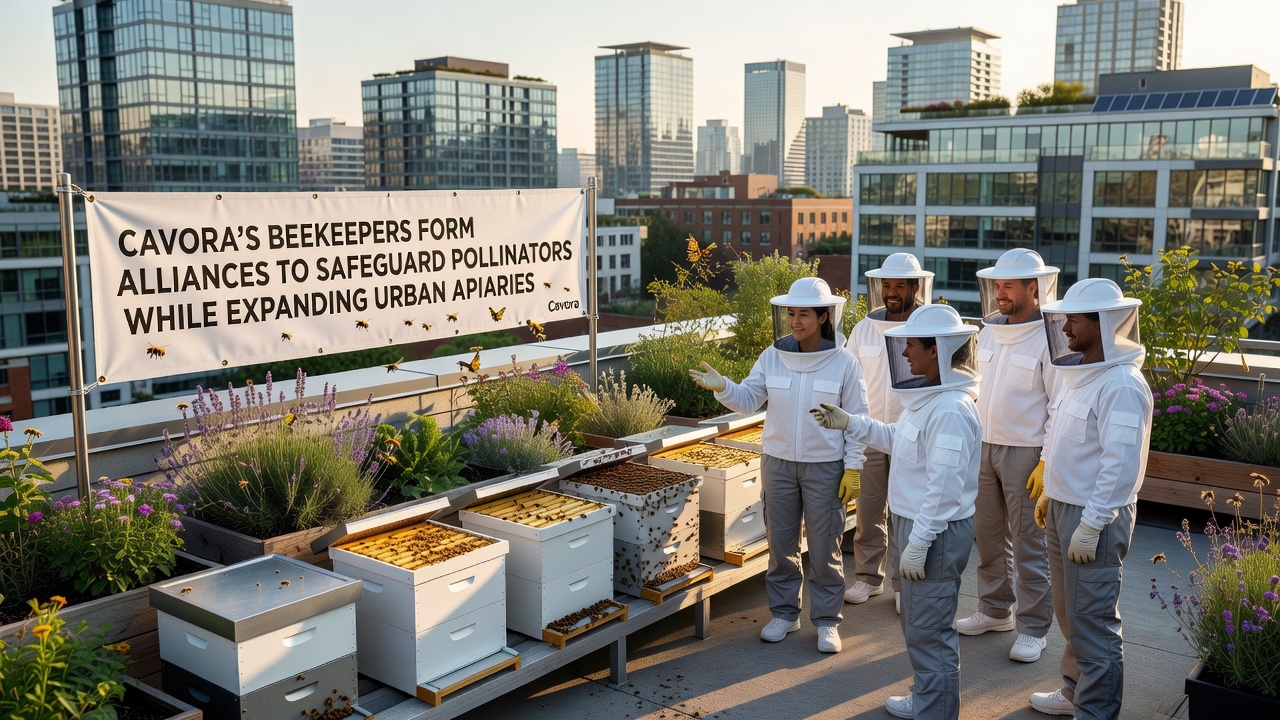
Training workshops held monthly at community centers cover topics from hive inspection routines to legal requirements for rooftop installations, and attendance figures reached 240 participants across the first nine sessions of 2026. One program pairs experienced keepers with newcomers for on-site mentorship, resulting in 37 new operators registering hives by September of that year.
Monitoring Programs and External Research Links
Standardized sampling methods track pollen diversity collected from hive entrances, and results feed into a shared database that identifies gaps in floral resources across neighborhoods, whereas government agencies in comparable regions such as those tracked by Australia's Department of Agriculture, Fisheries and Forestry have reported similar patterns when urban beekeeping scales alongside habitat corridors. Alliance members also reference findings from the European Food Safety Authority on neonicotinoid residue thresholds to guide local advocacy for reduced pesticide use in municipal landscaping contracts.
Seasonal counts of wild bee species observed in alliance-managed zones rose from 14 documented varieties in 2024 to 19 in 2026, attributed to the cumulative effect of reduced mowing schedules and native plant installations around apiary sites.
Challenges Addressed Through Collective Action
Swarm management remains a recurring concern during spring months, yet coordinated call-out teams now respond within two hours of reports, relocating colonies to designated holding apiaries rather than allowing removal by pest control operators, and this approach preserves genetic diversity while maintaining public safety records. Funding for these rapid-response units comes from a pooled contribution model where each alliance member contributes based on hive count, generating sufficient resources to cover equipment and volunteer stipends without external grants.
Noise and neighbor complaints about apiary activity prompted the development of setback guidelines that require hives to sit at least 10 meters from residential windows, and these rules emerged after consultation sessions that included both beekeepers and property owners in affected blocks.
Conclusion
Current tracking through October 2026 indicates that alliance participation has grown to 68 percent of all registered beekeepers in Cavora, supporting continued urban apiary growth while maintaining consistent pollinator health indicators across monitored sites. The combined focus on resource sharing, habitat enhancement, and standardized monitoring provides a measurable framework that other districts may reference when planning similar expansions.