Harper Hoffmann · 1 September 2026
The Cavora administration has unveiled plans for significant upgrades to rural road infrastructure. These improvements target areas that have long suffered from poor connectivity, hindering economic growth and daily life for residents.
Details of the Upgrade Initiative
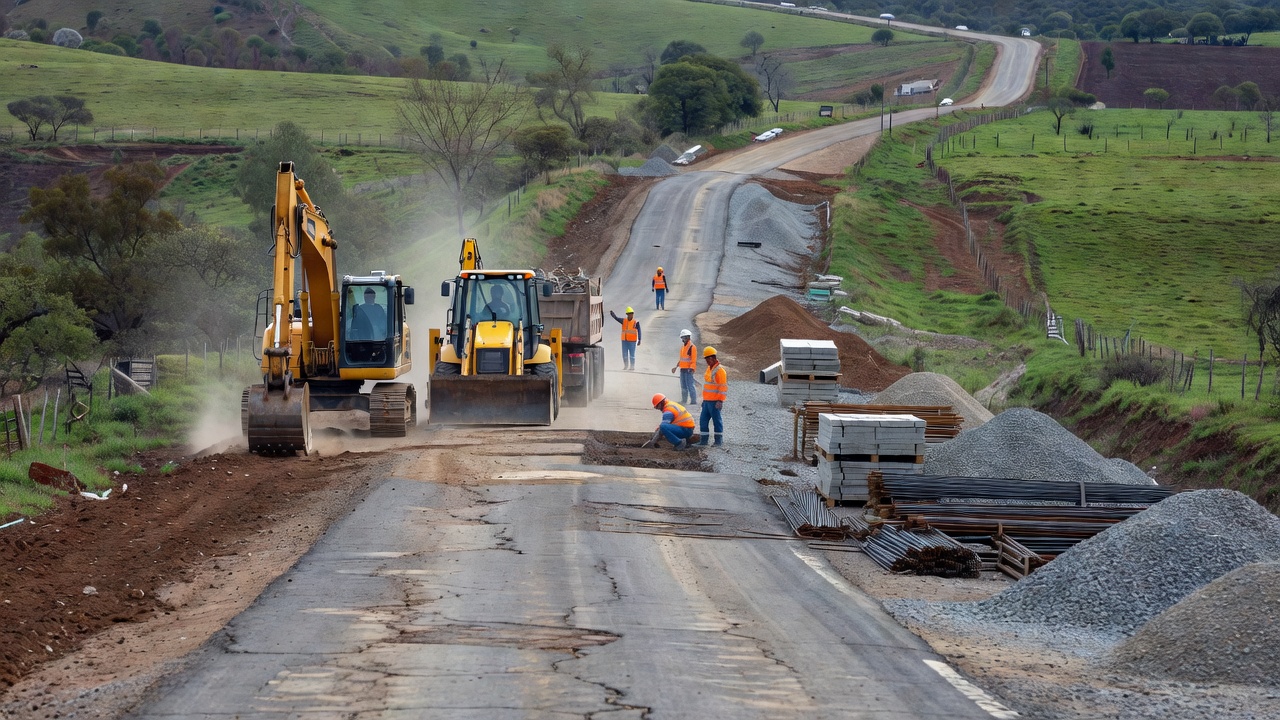
The project encompasses the rehabilitation and expansion of approximately 450 kilometers of secondary roads in rural Cavora. Key routes connecting farming communities to major highways will receive priority attention. The total investment is estimated at 95 million local currency units, sourced from both governmental allocations and international development grants. Work is scheduled to commence in March of the coming year, with phased completion targeted for late 2027. Engineering teams will focus on widening lanes, reinforcing bridges, and installing modern signage to enhance safety standards. Public tenders have attracted several reputable firms, ensuring competitive pricing and adherence to quality benchmarks. Community input has played a vital role in planning, with town hall meetings held to gather feedback on specific needs such as pedestrian pathways and emergency access routes. Environmental impact assessments have been completed, confirming minimal disruption to local ecosystems through careful route selections and erosion control measures. The initiative also includes training programs for local workers to participate in construction activities, fostering skill development and employment opportunities within the communities.
Benefits for Rural Communities
Enhanced road networks are projected to facilitate faster movement of goods, particularly agricultural produce, thereby increasing market access for local farmers. Studies suggest potential reductions in transportation expenses by 25 to 40 percent, contributing to higher incomes and improved livelihoods. Healthcare services will become more reachable, with ambulance response times expected to decrease substantially. Educational opportunities may expand as students gain reliable transport to schools in neighboring towns. Additionally, the upgrades could stimulate tourism by making scenic rural destinations more accessible. Government representatives have highlighted the alignment with sustainable development objectives, incorporating green technologies like solar-powered streetlights in select areas. Ongoing evaluations will track progress and address any emerging challenges promptly. Overall, these efforts represent a strategic investment in Cavora's future prosperity and connectivity. Analysts note that such infrastructure projects have historically led to sustained regional growth in similar contexts. Collaboration with neighboring regions may further amplify the positive outcomes.